Are you fascinated by the electrifying world of electronic music? Whether you're inspired by pulsating beats at festivals or mellow ambient tracks, embarking on the journey to become an electronic music maker can be both rewarding and creatively fulfilling. If you're asking yourself how to start, you've come to the right place. This guide introduces you to the basics of electronic music production and helps you take the first steps toward creating your own tracks.
Table of Contents
- Table of Contents
- Understanding the Basics
- What is Electronic Music Production?
- Essential Tools for Beginners
- Learning the Ropes
- Learn Electronic Music Production
- Dive Into Ableton Live
- Building Your Craft
- Connect With Us
- FAQs
Understanding the Basics
What is Electronic Music Production?
Electronic music production involves creating music using digital tools and software. Unlike traditional music production, it leverages technology extensively—from synthesizers to digital audio workstations (DAWs)—to compose, record, and produce music.
Essential Tools for Beginners
Before you start making music, familiarize yourself with the essential tools:
- Digital Audio Workstation (DAW): This is the software you'll use to compose, edit, and produce your music. Popular choices include Ableton Live, FL Studio, and Logic Pro.
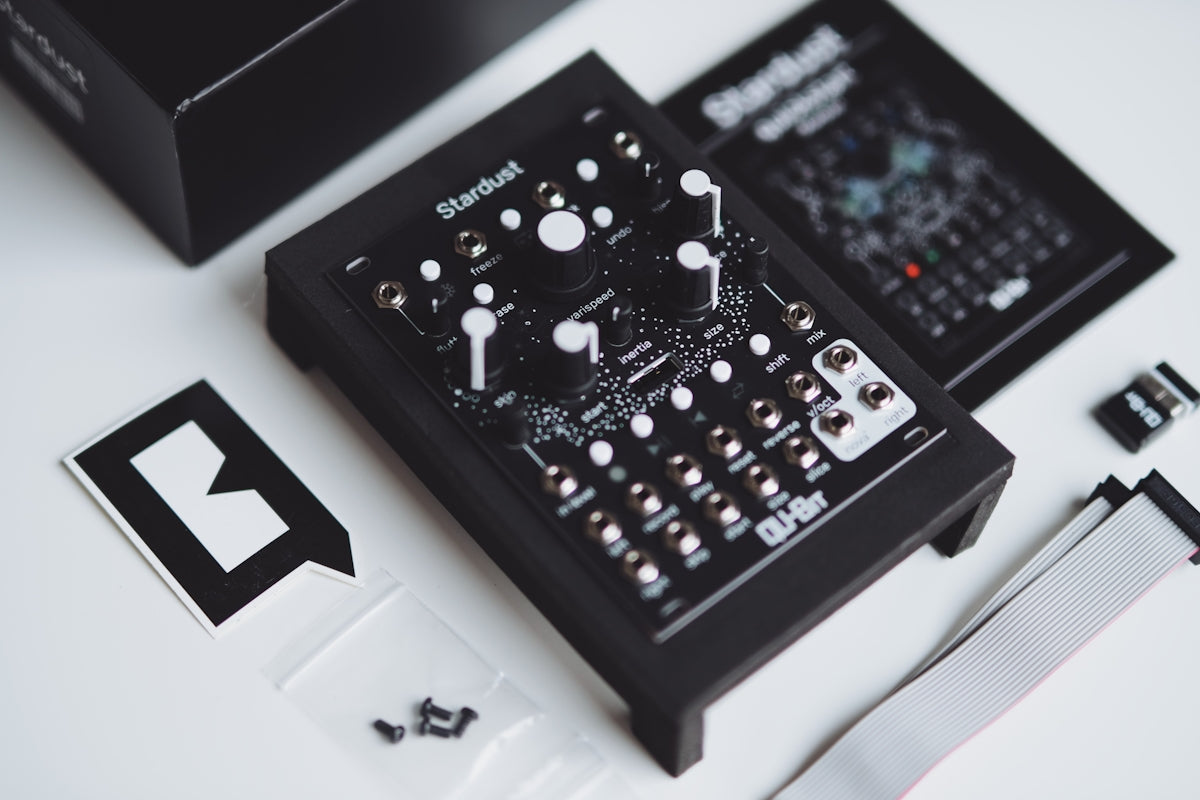
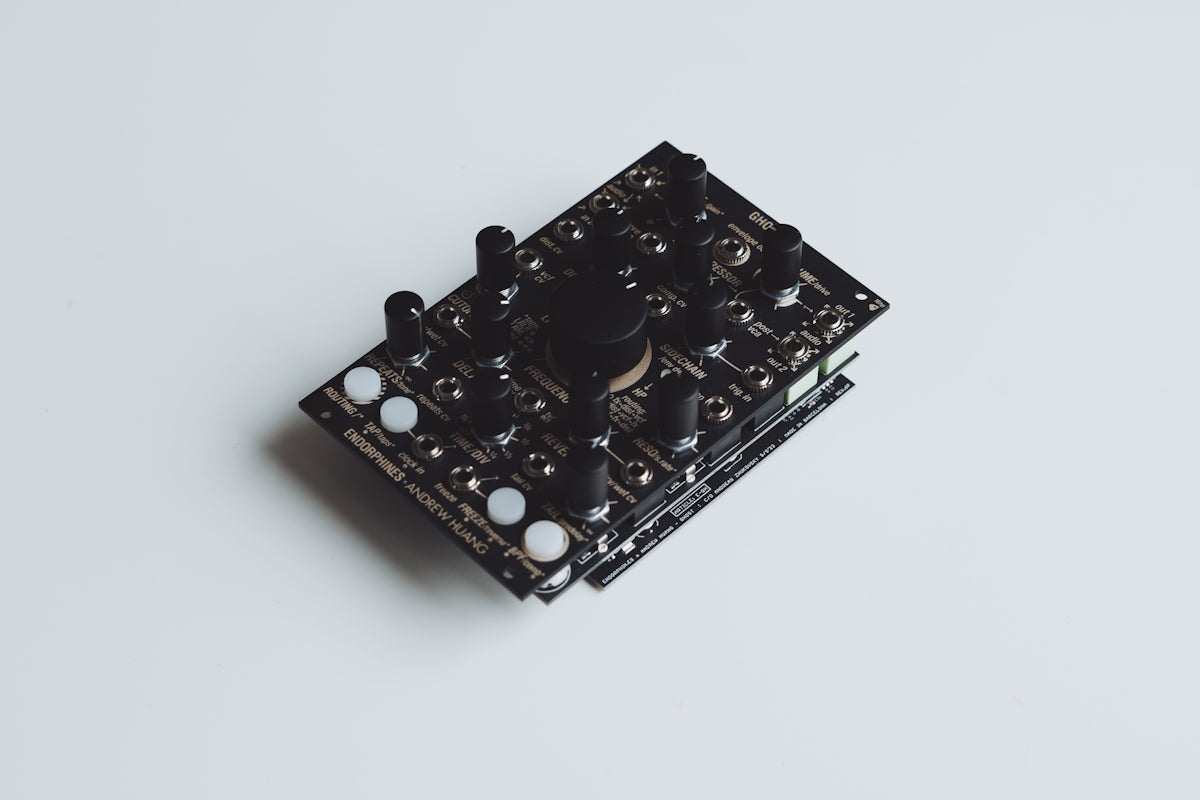
- MIDI Controller: An interface which gives tactile control over your software instruments and is essential for hands-on music performance.
- Headphones or Monitors: Good quality audio equipment is crucial for accurately mixing and mastering your tracks.
Learning the Ropes
Learn Electronic Music Production
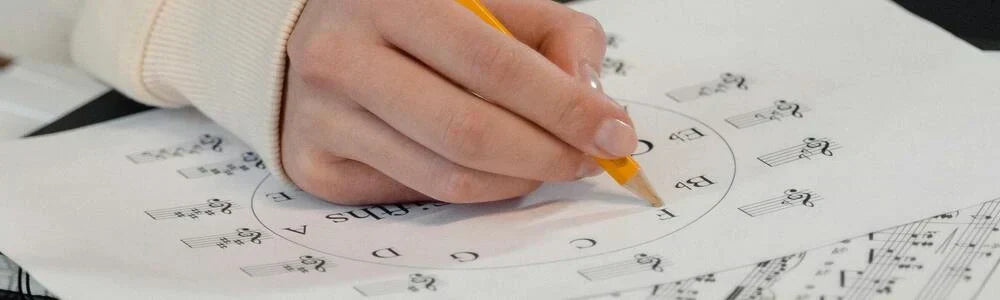
To become proficient, you need to develop a solid understanding of music theory, sound design, mixing and mastering. Here are some tips to get started:
- Online Courses and Tutorials: There’s a wealth of free and paid educational content available online. Use resources like YouTube, Skillshare, or Coursera to learn at your own pace.
- Community Forums: Joining communities like Reddit's r/edmproduction can offer guidance, feedback, and support from fellow music makers.
- Experimentation: Don’t hesitate to experiment. Creativity thrives when you allow yourself the freedom to try new things.
Dive Into Ableton Live
If you're using Ableton Live, templates can be an excellent tool for learning structure and arrangement in electronic music. Check out the Aeronautics Ableton Template. This template provides a great starting point, allowing you to dissect and understand the components of a professionally produced track.
Building Your Craft
As you get more comfortable with the tools and basics of electronic music production, start creating your own tracks:
- Consistency is Key: Regular practice and persistence are crucial. Even small, consistent efforts can lead to significant progress over time.
- Feedback Loop: Share your work with others and accept constructive criticism. This can help refine your sound and improve production quality.
- Stay Inspired: Listen to different genres and artists. Inspiration can come from unexpected places and can dramatically influence your music.
Connect With Us
Embarking on this musical journey is exciting, and we’re here to support you every step of the way. Feel free to explore more resources and products at Side Noize to aid your learning and production process.
In the ever-evolving realm of electronic music, becoming a skilled electronic music maker is more accessible than ever. With the right tools, resources, and passion, you’ll be crafting your own beats before you know it. Happy producing!
FAQs
What equipment do I need to start making electronic music?
To begin making electronic music, you'll need a computer with a Digital Audio Workstation (DAW) installed, a MIDI controller, and a good pair of headphones or speakers. You might also consider additional software plugins and sound packs to enhance your music production.
What is a Digital Audio Workstation (DAW) and how do I choose one?
A Digital Audio Workstation (DAW) is software used for recording, editing, and producing audio files. When choosing a DAW, consider factors such as ease of use, compatibility with your operating system, the types of features you need, and your budget. Popular options include Ableton Live, FL Studio, and Logic Pro.
Do I need to learn music theory to make electronic music?
While having knowledge of music theory can be beneficial, it is not a strict requirement. Understanding basic concepts like scales, chords, and rhythm can help you create better music, but many successful electronic producers have learned through trial and error and by experimenting with sounds.
Are there specific genres I should focus on as a beginner?
As a beginner, it's best to explore different genres to discover what resonates with you. Genres like house, techno, or ambient music are common entry points for electronic music makers. Find inspiration in various styles and allow your creativity to guide your choices.
Where can I find tutorials for using a DAW?
There are numerous resources available online for learning how to use a DAW. YouTube offers a wealth of video tutorials, while various music production forums and websites provide written guides and tips. Additionally, many DAWs come with built-in tutorials to help you get started.
How do I improve my music production skills?
Improving your music production skills takes practice and patience. Regularly experiment with different techniques, learn from your favorite artists, and seek feedback from fellow producers. Consider joining online communities or local workshops to connect with other musicians and share ideas.
What are VST plugins, and do I need them?
VST plugins are software instruments or effects that can be added to your DAW to expand its capabilities. While you can create music without them, using VST plugins allows you access to a wider range of sounds and effects, making your productions more dynamic and interesting.
How can I share my music with others?
Once you feel confident in your music, you can share your work through various platforms like SoundCloud, Bandcamp, or social media. Networking with other musicians and participating in online communities can also help you gain exposure and connect with potential listeners.
Can I make money as an electronic music producer?
Yes, there are several ways to monetize your music as an electronic producer. You can sell your tracks online, offer DJ services, license your music for use in films or advertisements, or teach music production. Building a strong online presence and engaging with your audience can help you grow your income potential.