Are you ready to embark on a journey that will transform you from an enthusiastic listener to a skillful electronic music maker? Whether you're a seasoned musician or a complete beginner, this step-by-step tutorial will guide you through the essentials of electronic music production, enabling you to turn your ideas into reality. So, let's dive right in!
Table of Contents
- Table of Contents
- Understanding the Basics
- Getting Hands-On with DAWs
- Learning the Art of Sound Design
- Arranging Your Track
- Polishing with Mixing and Mastering
- Conclusion
- FAQs
Understanding the Basics
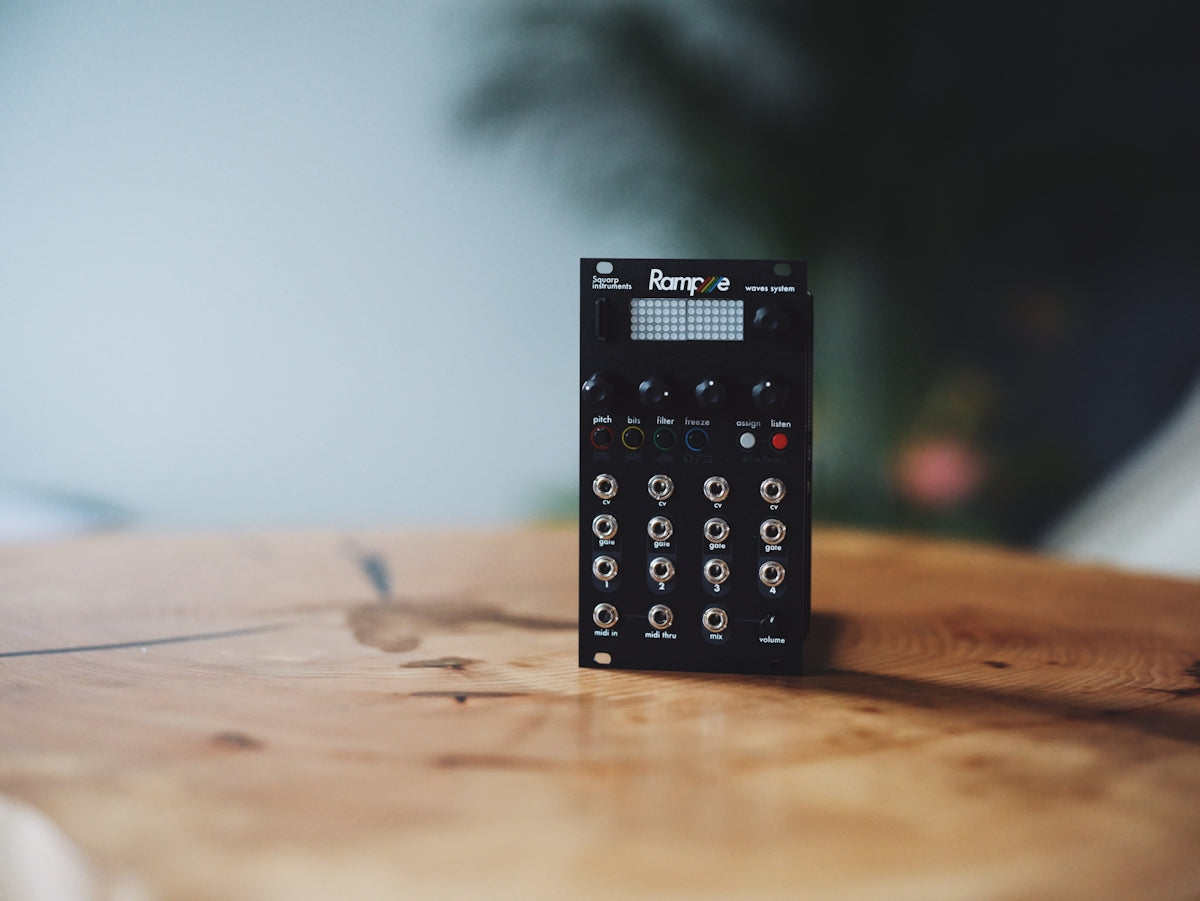
Before diving into the creation process, it's crucial to understand the tools and terminology of electronic music production. The foundation of any music production setup includes a digital audio workstation (DAW), synthesizers, drum machines, and effects. If you're just getting started, check out our article Craft Your Sound: Tools of an Electronic Music Maker for a comprehensive guide on essential tools that can elevate your production game.
Getting Hands-On with DAWs
The DAW is the heart of electronic music production. Popular DAWs like Ableton Live, FL Studio, and Logic Pro offer a wide range of features to help you compose, arrange, and perform your music. For aspiring producers looking to explore the intricacies of Ableton Live, the Aeronautics (Ableton Template) is a fantastic resource by our very own Adam Sellouk. It provides an in-depth look into the structure of melodic techno tracks and is perfect for learning through deconstruction.
Learning the Art of Sound Design
Sound design plays a critical role in electronic music. Experimenting with synthesizers and effects to shape your unique sound is a crucial skill. As you refine your craft, you may encounter challenges and curiosities. Our article Common Questions Answered on Learn Electronic Music Production provides answers to frequently asked questions, making the learning curve smoother.
Arranging Your Track
Once you've crafted your sounds, it's time to arrange them into a cohesive and compelling track. Focus on creating a hook that captures attention, building tension, and releasing energy to keep your audience engaged. Remember, practice and experimentation are key to mastering arrangement.
Polishing with Mixing and Mastering
Mixing and mastering are essential processes that give your track a professional edge. Balancing levels, refining frequencies, and adding depth to your mix will ensure your music sounds great on any system. For further refinement, delve into our article on Advanced Techniques in Electronic Music Production Every Producer Should Know. It covers advanced tips and tricks to enhance your production skills.
Conclusion
Embracing the world of electronic music production is both exciting and rewarding. With dedication and practice, you can hone your skills and create music that resonates with others. For more resources and updates on electronic music production, visit sidenoize.com.
Start your journey today and unleash your potential as an electronic music creator. Happy producing!
FAQs
What is electronic music production?Electronic music production involves creating music using electronic devices and software, such as synthesizers, drum machines, and digital audio workstations (DAWs). It encompasses various genres and styles, allowing for a range of creative expression.
Do I need expensive equipment to start producing electronic music?No, you don’t need expensive equipment to begin. Many successful producers start with basic hardware and software. A computer, a DAW, and a good pair of headphones can get you started without breaking the bank.
What software is best for beginners in electronic music production?There are several great DAWs for beginners, including Ableton Live, FL Studio, and Logic Pro. These platforms are user-friendly and offer a range of features that cater to various styles of electronic music production.
How long does it take to learn electronic music production?The learning curve can vary, but many beginners can grasp the basics within a few weeks to months with consistent practice. The more time you dedicate to exploring and experimenting, the faster you'll improve.
What skills do I need to develop for electronic music production?Key skills include understanding music theory, sound design, mixing, and arrangement. You’ll also benefit from familiarizing yourself with the software and hardware you choose to use.
Can I collaborate with other producers remotely?Absolutely! There are many platforms and tools designed for remote collaboration, enabling you to share projects and work with other musicians regardless of location.
Is it important to understand music theory for producing electronic music?While not essential, a basic understanding of music theory can greatly enhance your production skills. It helps in creating melodies, harmonies, and structures that make your tracks more engaging.
How can I improve my electronic music tracks?Improvement comes from practice and feedback. Experiment with different sounds, learn mixing techniques, and seek constructive criticism from other musicians or producers to refine your work.
What are some common genres of electronic music?Electronic music encompasses various genres, including house, techno, trance, dubstep, and drum and bass, among others. Each genre has distinct characteristics and styles, allowing for diverse creative opportunities.