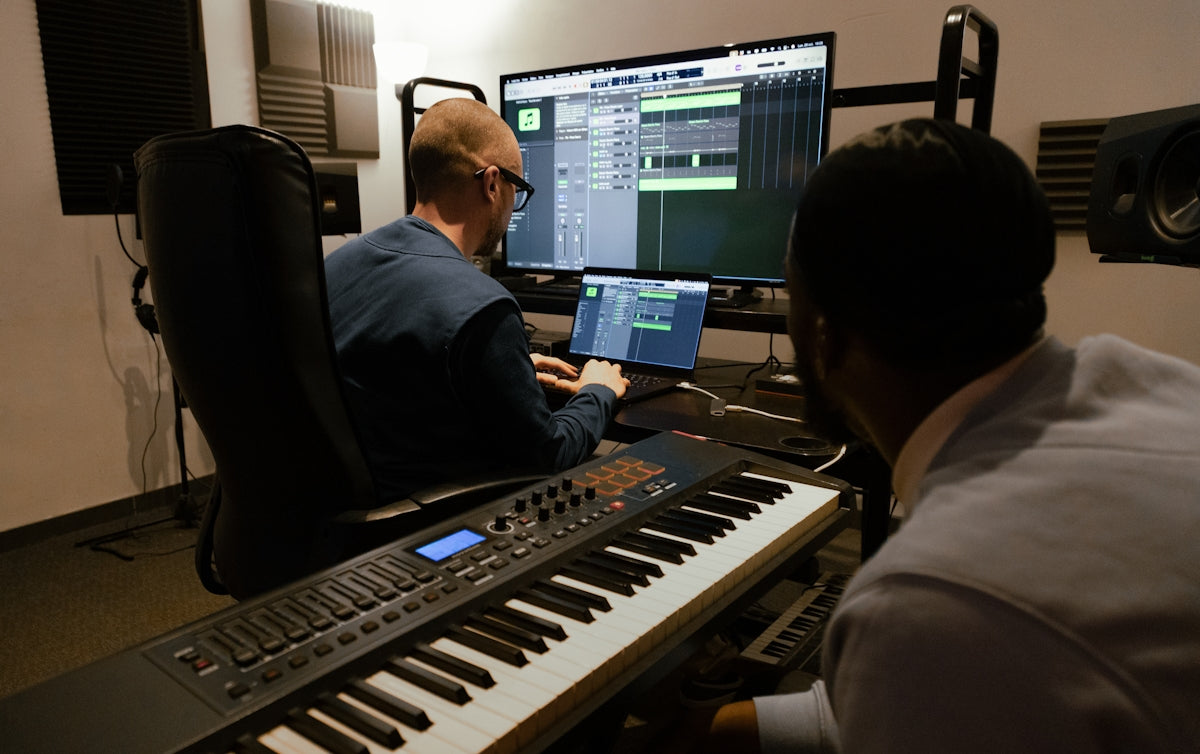
In the buzzing world of electronic music, mastering the art of music production can truly set you apart as an exceptional electronic music maker. Whether you're just starting on your musical journey or looking to elevate your existing skills, exploring various techniques and tools is crucial to developing a signature sound. This blog post will guide you through effective ways to learn electronic music production.
Table of Contents
- Table of Contents
- 1. Understanding the Basics
- 2. Invest in Quality Tools
- 3. Continuous Learning
- 4. Practice and Experiment
- 5. Connect with the Community
- FAQs
1. Understanding the Basics
Before diving into the complexity of music production, it's important to build a solid foundation. Start by familiarizing yourself with basic concepts such as sound design, mixing, and arrangement. A great way to get started is by checking out our step-by-step tutorial, which provides a comprehensive guide on diving into electronic music production.
2. Invest in Quality Tools
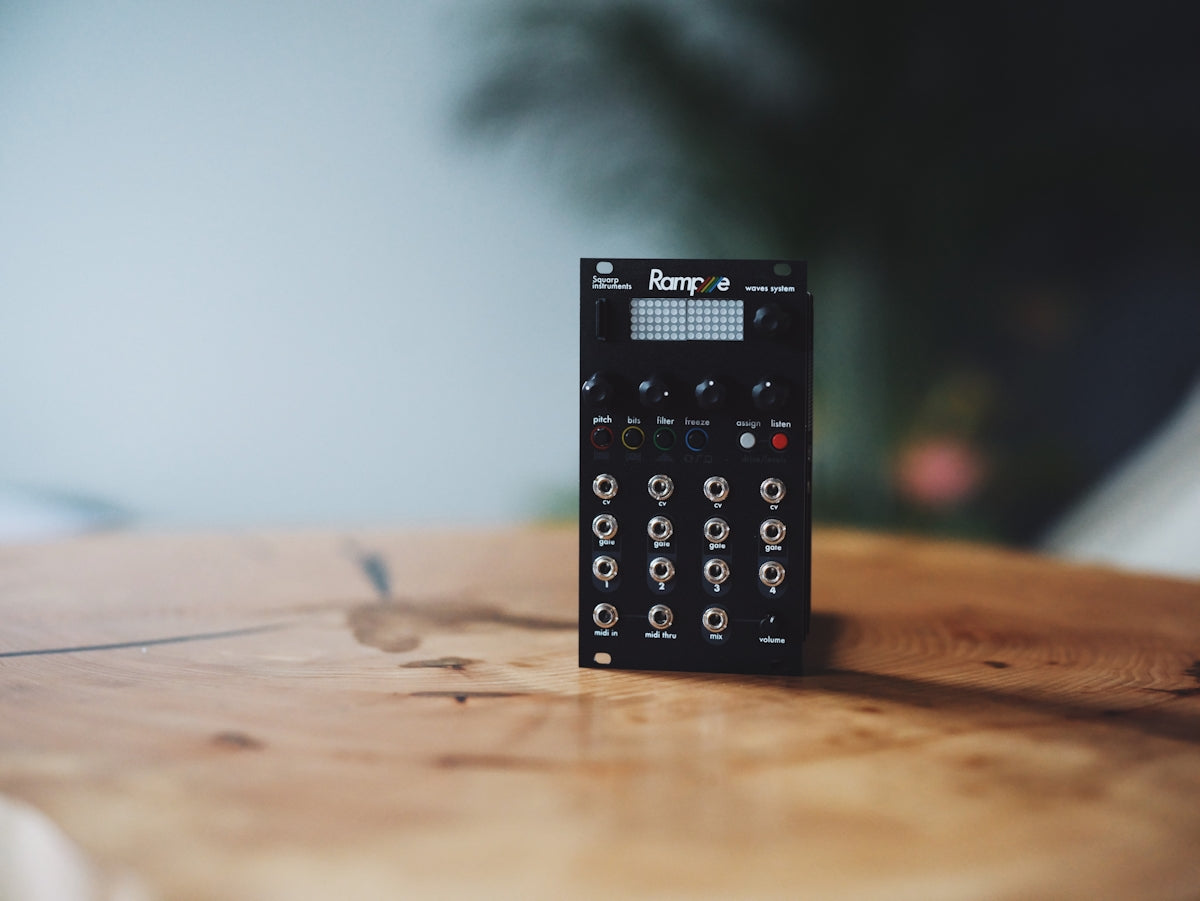
The tools you use can significantly influence the quality of your production. As an electronic music maker, it's beneficial to explore various digital audio workstations (DAWs) and plugins. If you're using Ableton, you might want to consider the Aeronautics (Ableton template) on Sidenoize, which can be a great asset for creating melodic techno tracks.
For more insights into choosing the right tools, visit our article on Craft Your Sound: Tools of an Electronic Music Maker.
3. Continuous Learning
The music production landscape is constantly evolving with new trends and technologies. Stay up-to-date by engaging with online courses, attending workshops, and reading industry-related articles. Our article on Common Questions Answered on Learn Electronic Music Production can provide further insights and answer some common queries you might have as you progress.
4. Practice and Experiment
Nothing beats hands-on experience when it comes to honing your production skills. Dedicate time to experimenting with different sounds and techniques. The more you create, the more you develop your unique style.
5. Connect with the Community
Engage with other electronic music makers by joining forums, attending events, and collaborating on projects. This not only enhances your skills but also opens up opportunities for networking and growth.
By following these steps, you will be well on your way to mastering electronic music production. Remember, the journey of learning is never-ending, and each experience enriches your craft. For more resources and products, explore Sidenoize.
Happy producing!
FAQs
What are the essential tools for electronic music production?
To get started in electronic music production, you'll need a Digital Audio Workstation (DAW), which is the software where you'll create and edit your music. Common DAWs include Ableton Live, FL Studio, and Logic Pro. In addition, a good pair of headphones or studio monitors, a MIDI controller, and plugins or virtual instruments can significantly enhance your sound quality and creativity.
How can I improve my mixing and mastering skills?
Practice is key to improving your mixing and mastering skills. Begin by studying the basics of frequency, dynamics, and spatial awareness. Experiment with mixing techniques and use reference tracks to compare your mixes. Online tutorials and courses can provide step-by-step guidance, while listening critically to professionally mixed songs will help you develop your ear.
Should I focus on one genre or explore multiple styles in electronic music?
Exploring multiple genres can expand your creativity and understanding of different music structures and sound design. However, focusing on one genre initially can help you better understand its intricacies and develop your unique sound. As you grow more confident, feel free to blend styles for a distinctive approach.
How important is networking in the electronic music industry?
Networking is crucial as it can open doors to collaboration, gigs, and exposure. Attend music production workshops, local events, or online forums where you can connect with other producers and artists. Building relationships within the community can lead to valuable opportunities and constructive feedback on your work.
What role does practice play in mastering electronic music production?
Consistent practice is essential for mastering electronic music production. Regularly creating music helps you develop your skills, discover your unique style, and improve your technical abilities. Set aside time each week to experiment with new techniques and sounds, and don't be afraid to make mistakes—they're an integral part of the learning process.
Are there specific online resources you recommend for learning music production?
Many online platforms offer courses and tutorials for music production. Websites like YouTube have countless free videos covering various topics, while platforms such as Skillshare and Coursera provide more structured courses. Additionally, consider joining forums and communities geared towards music production for advice and support.
How can I stay motivated while trying to enhance my skills?
Staying motivated can be challenging, but setting specific, achievable goals can help. Create a schedule for your practice sessions and focus on one aspect of production at a time. Surround yourself with inspirational content, whether through music, videos, or peer support, and allow yourself to celebrate small achievements along the way.
What are some common mistakes beginners make in electronic music production?
Common mistakes among beginners include overusing plugins, neglecting arrangement structure, and not taking time to learn the DAW thoroughly. It’s also easy to become overwhelmed by choices or to overcomplicate sounds without understanding the basics. Focusing on simplicity and mastering core concepts will lead to better results in the long run.