Embarking on a journey as an electronic music maker can be both thrilling and daunting. With a plethora of tools and techniques available at your fingertips, you might find yourself overwhelmed. Fear not, for we’ve compiled a set of frequently asked questions to guide you through the world of electronic music production.
Table of Contents
- Table of Contents
- What is Electronic Music Production?
- How Do I Start Learning Electronic Music Production?
- What Essential Tools Do I Need?
- Can I Succeed as an Independent Electronic Music Producer?
- Where Can I Find Resources and Templates?
- Conclusion
- FAQs
What is Electronic Music Production?
Electronic music production involves creating music using electronic devices such as synthesizers, drum machines, and computers. Unlike traditional music production, it heavily relies on software applications and digital tools to craft unique sounds and arrangements.
To dive deeper into the intricacies of electronic music production, you can check out our guide: How to Enhance Your Skills in Electronic Music Production.
How Do I Start Learning Electronic Music Production?
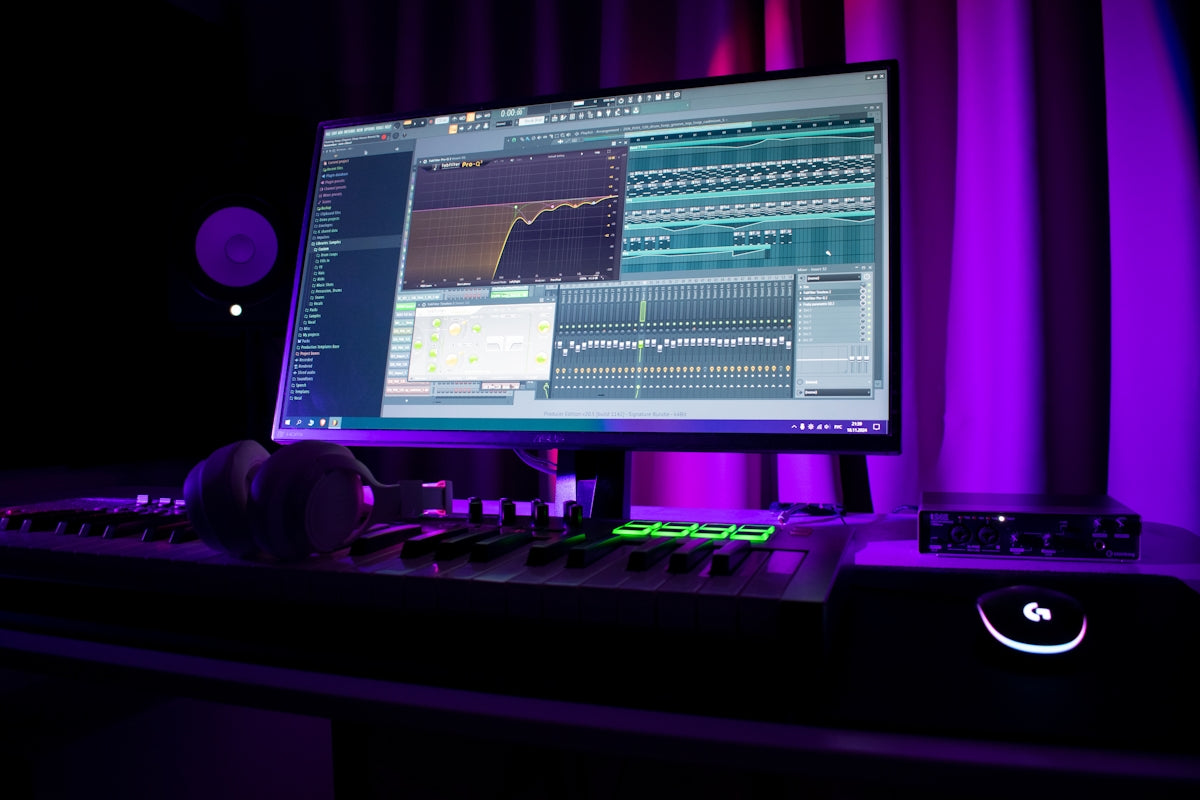
Starting out can feel overwhelming with the vast array of tools and software available. Begin by familiarizing yourself with a Digital Audio Workstation (DAW) like Ableton Live or FL Studio. These platforms allow you to create, edit, and arrange music on your computer.
You can follow a structured approach with our detailed tutorial: Dive into Electronic Music Production: A Step-by-Step Tutorial.
What Essential Tools Do I Need?
As an electronic music maker, having the right tools is crucial. Essential tools include a reliable DAW, a MIDI controller, and a good pair of headphones. Investing in sample packs and sound libraries can also greatly enhance your sound palette.
Learn more about the tools you need in our article: Craft Your Sound: Tools of an Electronic Music Maker.
Can I Succeed as an Independent Electronic Music Producer?
Absolutely! The digital age has opened doors for independent producers to thrive without traditional record label support. Building a unique sound and leveraging social media platforms can help you reach a global audience. Consistency and networking are key components of success.
Where Can I Find Resources and Templates?
Creating music from scratch is rewarding but utilizing templates can inspire new ideas. Check out the Melodic Techno Ableton Template by Adam Sellouk, which is designed to streamline your workflow and spark creativity.
Conclusion
The path of an electronic music maker is an exciting exploration of sounds and creativity. With the right tools and resources, you can transform your musical ideas into reality. For more insights and resources, visit our main page at SideNoize.
Happy producing!
FAQs
What software do I need to start making electronic music?
To start creating electronic music, you’ll need a Digital Audio Workstation (DAW) like Ableton Live, FL Studio, or Logic Pro. Each has its own strengths, so it’s a good idea to try a few demos to find the one that fits your workflow.
Do I need expensive equipment to produce good music?
While high-end equipment can enhance your production quality, it’s not necessary to start. Many successful producers began with basic gear like a laptop and headphones. Focus on learning your software and honing your skills before investing in expensive instruments.
How do I find my unique sound in electronic music?
Finding your unique sound can take time. Experiment with different genres, sound design techniques, and production styles. Don’t be afraid to mix elements from various influences until you discover a signature style that represents you.
What are some tips for marketing my music effectively?
Utilize social media platforms to showcase your work and connect with your audience. Building a strong online presence can help. Collaborate with other artists, submit your music to blogs and playlists, and consider networking at local shows or music festivals to increase your visibility.
How often should I release new music?
There’s no one-size-fits-all answer, but consistency is key. Aim to release music regularly—whether that's every few months or quarterly. It keeps your audience engaged and allows you to continue improving your craft.
Is it important to collaborate with other artists?
Yes, collaboration can broaden your creative horizons and introduce you to new techniques and ideas. Working with other artists also helps you reach their audiences, which can expand your fan base and create new opportunities.
What role do music theory and composition play in electronic music?
Understanding music theory can help you create more compelling melodies, harmonies, and arrangements. While many electronic artists rely on intuition, a solid grasp of composition can elevate your productions and set you apart.
How can I stay motivated and avoid burnout?
Set realistic goals and allow yourself time to rest. Find joy in creating rather than focusing solely on success. Engaging with a community of fellow musicians can also provide support and inspiration during challenging periods.
What should I know about performing live as an electronic musician?
Live performance can be different from producing music in the studio. Familiarize yourself with your gear and practice your set extensively. Consider how to engage the audience and use visuals to enhance the experience, whether through lighting or projections.